


Germany or Finland for Northern Lights – Which to Choose?
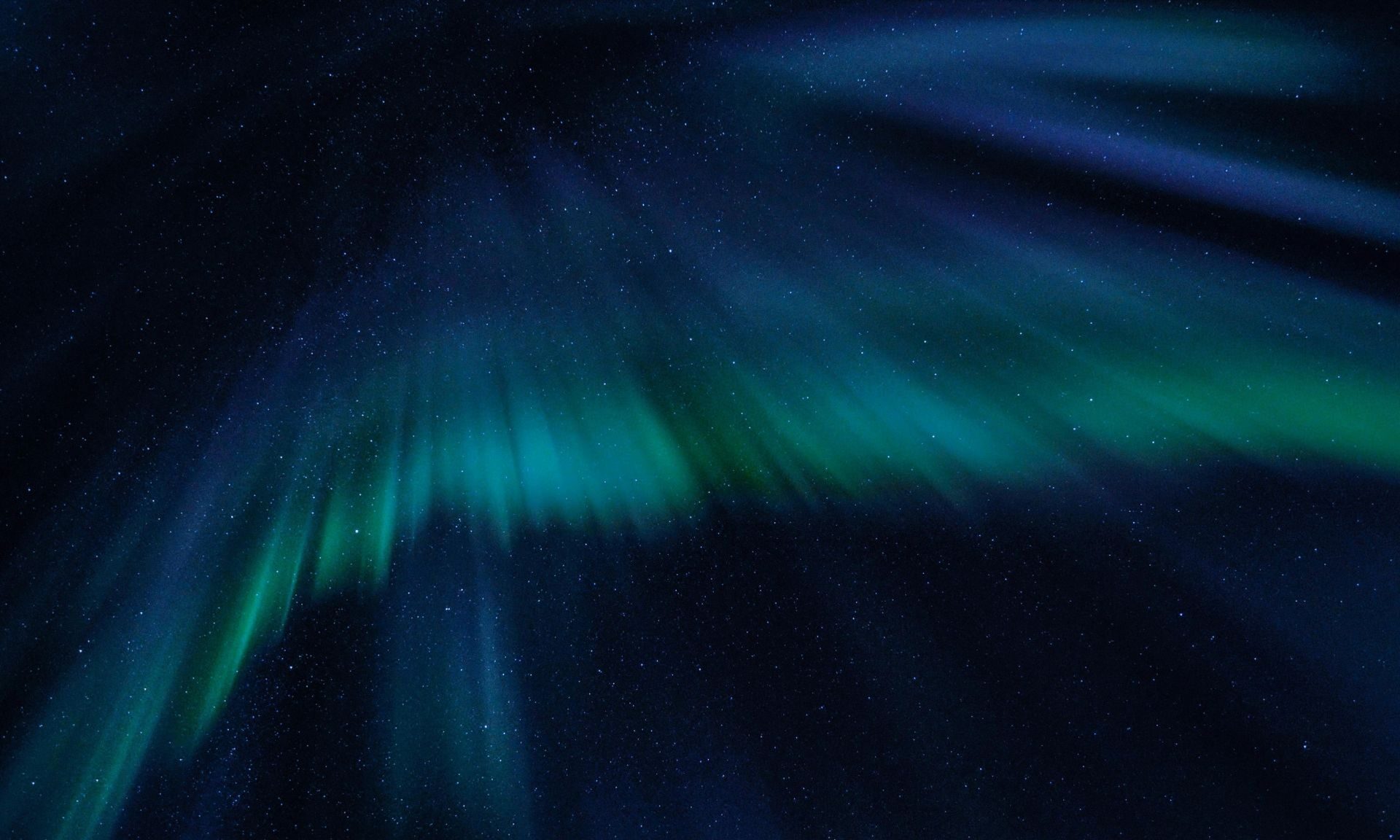
The Northern Lights, or aurora borealis, are one of nature’s most captivating phenomena. Many travelers dream of witnessing the magical green, pink, and violet lights dancing across the Arctic sky.
But if you’re planning a trip to see them, one important question arises: where to go?
What Are the Northern Lights and Where Can You See Them?
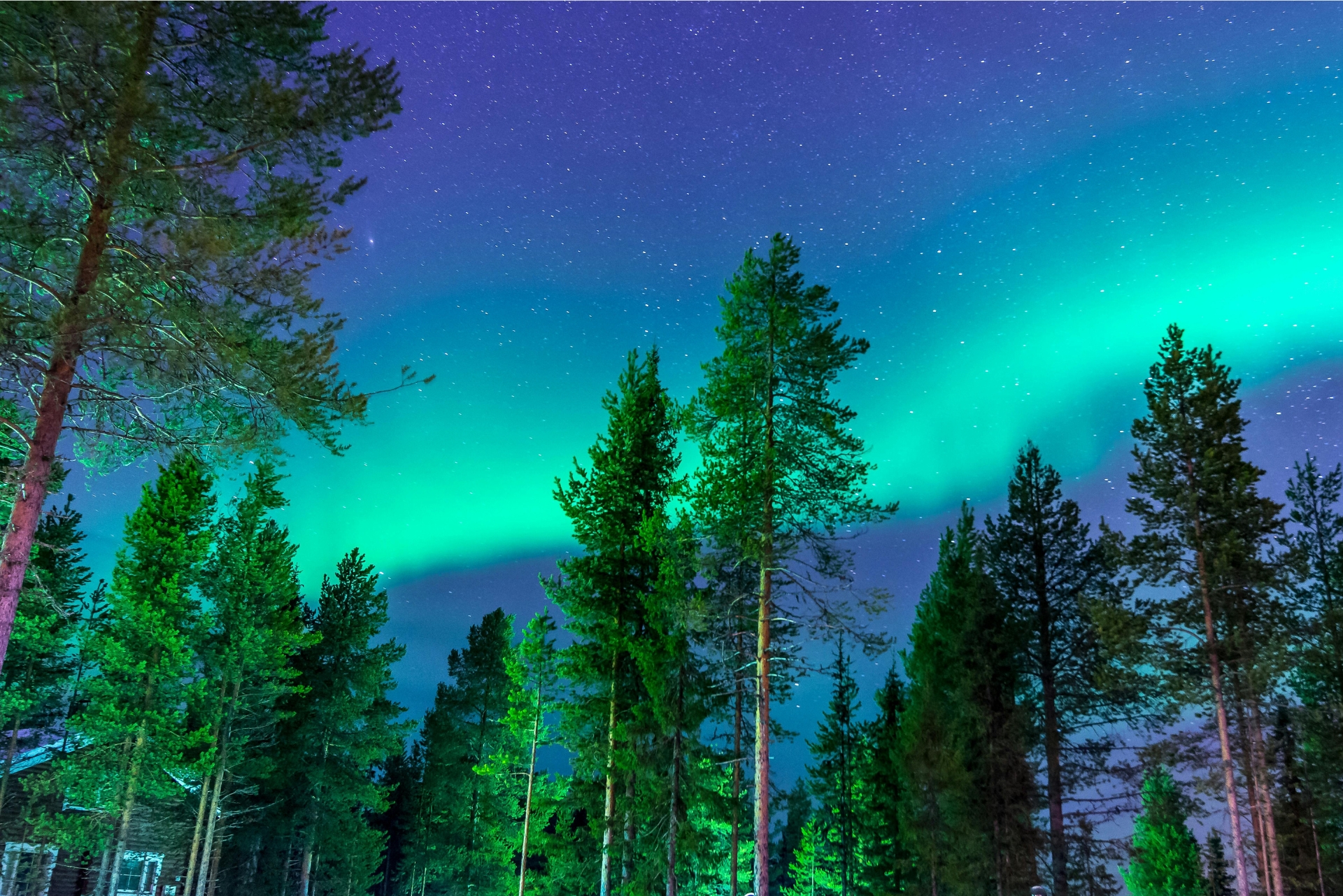
The Northern Lights occur when charged solar particles collide with atoms in Earth’s upper atmosphere. This process releases energy, resulting in stunning light displays most commonly seen near the Earth’s magnetic poles.
That’s why the best places to see the Northern Lights are generally in the far north, above or near the Arctic Circle.
But does that rule out Germany? Not entirely. Let’s compare both countries based on aurora visibility, travel experience, and overall value.
Germany: An Unexpected Aurora Spot?
Germany is not typically known for aurora spotting, but under the right conditions, it is possible to see Northern Lights there—especially in the north of the country. During strong geomagnetic storms, places like Mecklenburg-Vorpommern or the Baltic Sea coast may catch a glimpse of auroral activity.
The pros of visiting Germany include excellent infrastructure, easy access to cities like Berlin and Hamburg, and year-round cultural attractions. If you’re already traveling in Germany and catch an aurora forecast spike, heading to darker rural areas could reward you with a rare sighting.
However, aurora sightings in Germany are unpredictable and infrequent—definitely more of a lucky bonus than a guaranteed highlight.
Finland: One of the World’s Best Aurora Destinations
If you’re serious about seeing the Northern Lights, Finland should be at the top of your list. Particularly in Finnish Lapland, north of the Arctic Circle, you can see auroras up to 200 nights per year.
Cities like Rovaniemi, Saariselkä, Ivalo, and Muonio offer not just ideal viewing conditions but also unforgettable Arctic experiences.
Choosing Finland for Northern Lights isn’t just about chasing the auroras—it’s about the full northern experience. Think husky safaris, snowshoeing under the stars, and snow-covered forests lit by green lights overhead.
In Finland, you’re not waiting on luck—you’re stepping into one of the world’s most reliable aurora zones.
Best Time to Visit for Northern Lights
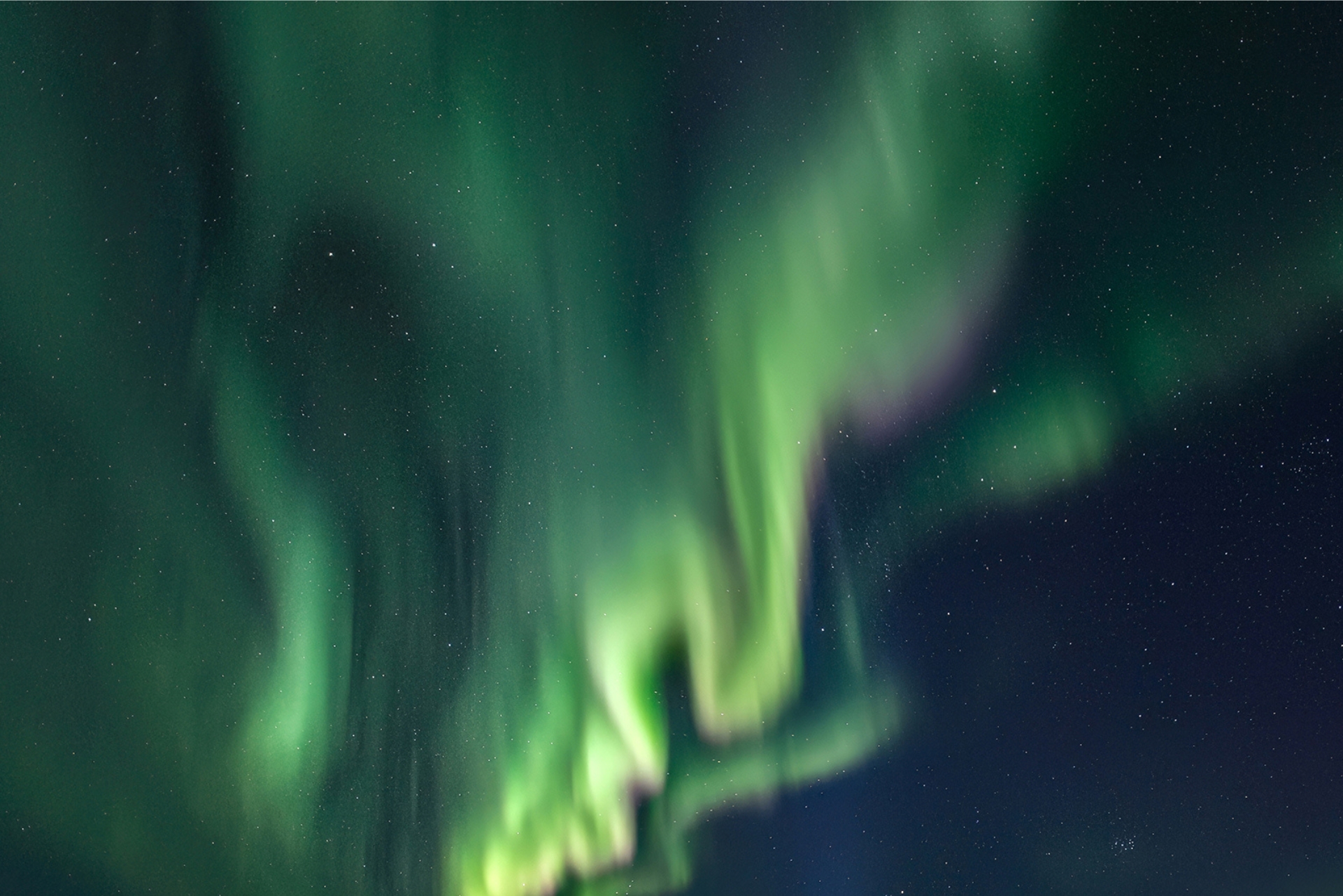
To maximize your chances of seeing the auroras, travel between September and March. This is when the nights are longest and the skies darkest. In Finland, the best months are usually October to March, while Germany’s rare sightings mostly occur during strong solar activity in winter.
Top Tips for Aurora Hunting:
- Check aurora forecasts. Websites like AuroraAlert.fi and apps like My Aurora Forecast can help.
- Avoid city lights. The darker the surroundings, the better.
- Be patient. Stay for at least a few nights to increase your chances
- Dress warmly. Finnish winters can be brutally cold, especially in Lapland.
Germany vs Finland for Northern Lights – The Verdict
So, Germany or Finland for Northern Lights?
If your main goal is to experience the Northern Lights, Finland is the clear winner. The chances of seeing auroras are significantly higher, and the country is well-prepared for travelers seeking winter adventures and sky-gazing.
If you’re already in Germany for other reasons and happen to be there during a period of high solar activity, it might be worth checking aurora forecasts. But don’t make Germany your primary aurora destination unless you’re ready to rely on luck.
Whether you choose Germany or Finland for Northern Lights, you’re pursuing one of the most awe-inspiring natural displays on Earth. While Germany offers charm and occasional surprises, Finland offers consistency, authenticity, and unmatched northern beauty.
The clear winner in the competition Germany or Finland for northern lights is Finland.
So if the auroras are calling you—start planning your Finland adventure today!
You might also be interested in following articles: