


Where to See the Northern Lights in the US: Top Spots and Tips
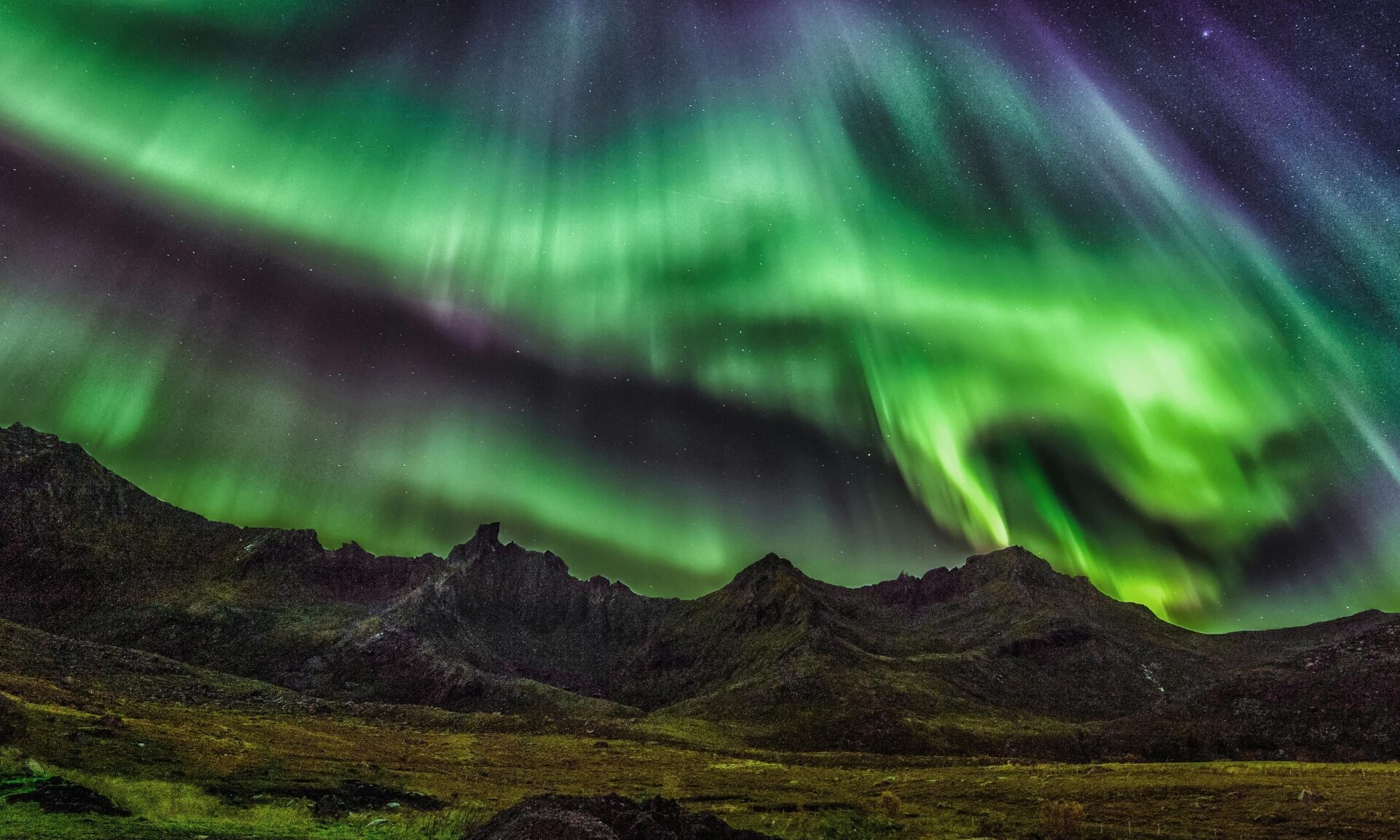
The northern lights, also known as the aurora borealis, are among the most breathtaking natural phenomena on Earth.
While countries like Iceland and Norway are famous for their aurora displays, you don’t have to leave the United States to witness this dazzling spectacle.
So, where to see the northern lights in the US? This article explores the best places, times, and tips for catching this awe-inspiring event right here at home.
What Are the Northern Lights?
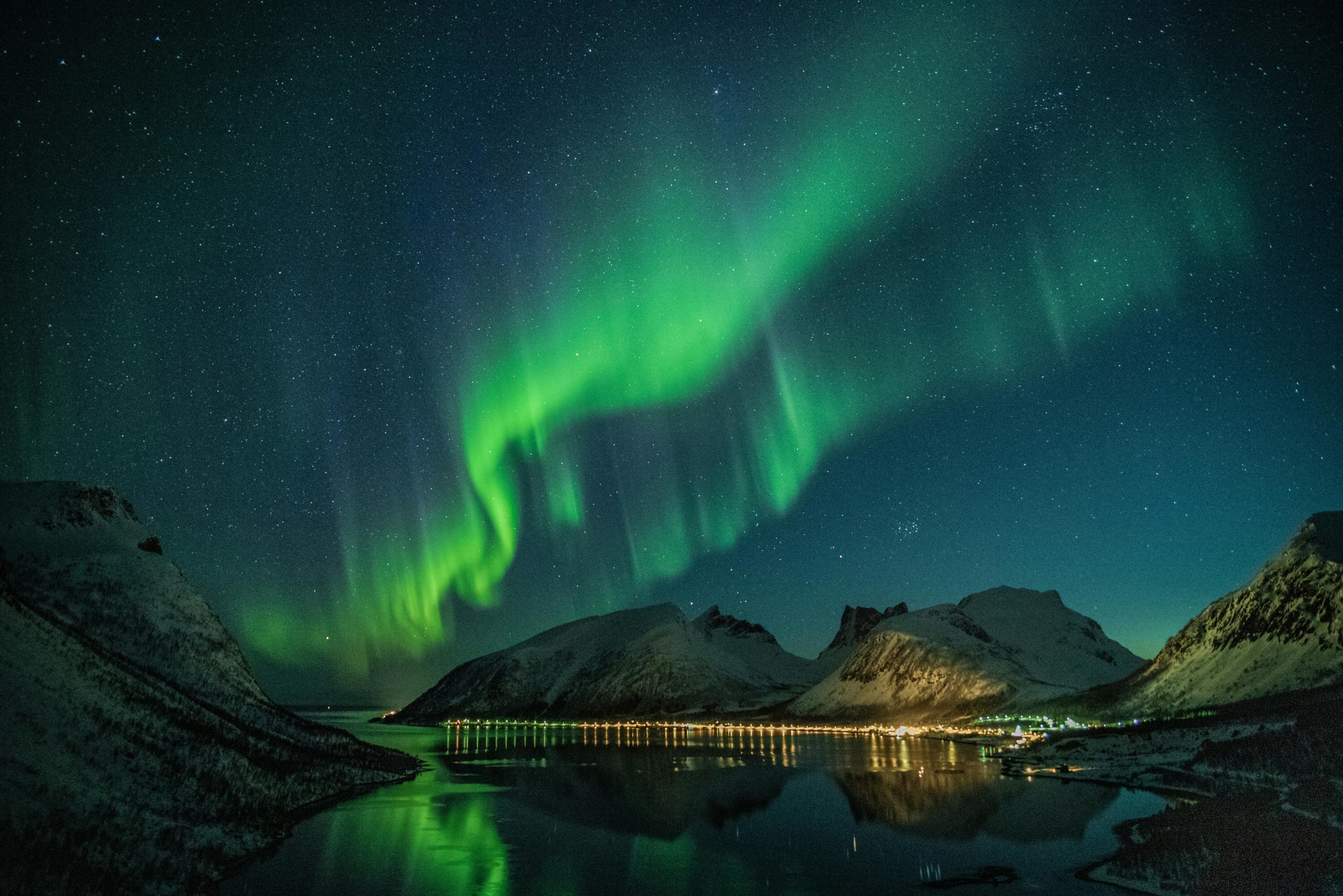 The northern lights occur when charged particles from the sun collide with gases in Earth’s atmosphere, producing vivid green, pink, red, and purple lights that dance across the night sky.
These lights are typically seen near the magnetic poles, which is why northern U.S. states occasionally experience them under the right conditions.
Best States to See the Northern Lights in the US
Here are the top destinations in the United States for spotting the aurora borealis:
1. Alaska
If you’re serious about seeing the northern lights, Alaska is your best bet.
- Fairbanks: Often called the aurora capital of the U.S., Fairbanks offers high aurora activity and clear skies from late August to April.
- Denali National Park: Offers not just aurora views, but also stunning landscapes for photography.
- Nome and Barrow (Utqiaġvik): More remote, but ideal for a true aurora adventure away from light pollution.
Best time to visit: September to March
2. Minnesota
Northern Minnesota offers surprisingly frequent aurora sightings, especially near the Canadian border.
- Voyageurs National Park: A certified Dark Sky Park, this area has very little light pollution.
- Boundary Waters Canoe Area Wilderness: Perfect for adventurers who want to paddle under a glowing sky.
Best time to visit: September to April
3. Michigan
Michigan’s Upper Peninsula is another great place to catch the lights, especially in areas with dark, clear skies.
- Keweenaw Peninsula: Juts out into Lake Superior, offering fantastic northern views.
- Pictured Rocks National Lakeshore: Combines scenic views with potential aurora activity.
Best time to visit: Fall and winter months
-
Maine
Northern Maine, particularly in Aroostook County, provides great opportunities to see the northern lights.
- Aroostook State Park: Offers dark skies and minimal development.
- Baxter State Park: A rugged destination for stargazers and hikers alike.
Best time to visit: September to March
5. North Dakota and Montana
Both states are less populated and offer excellent dark-sky conditions.
- Theodore Roosevelt National Park (ND): Known for clear skies and wide horizons.
- Glacier National Park (MT): Offers stunning mountain backdrops for aurora sightings.
Best time to visit: Winter months, especially around solar storms
Tips for Seeing the Northern Lights
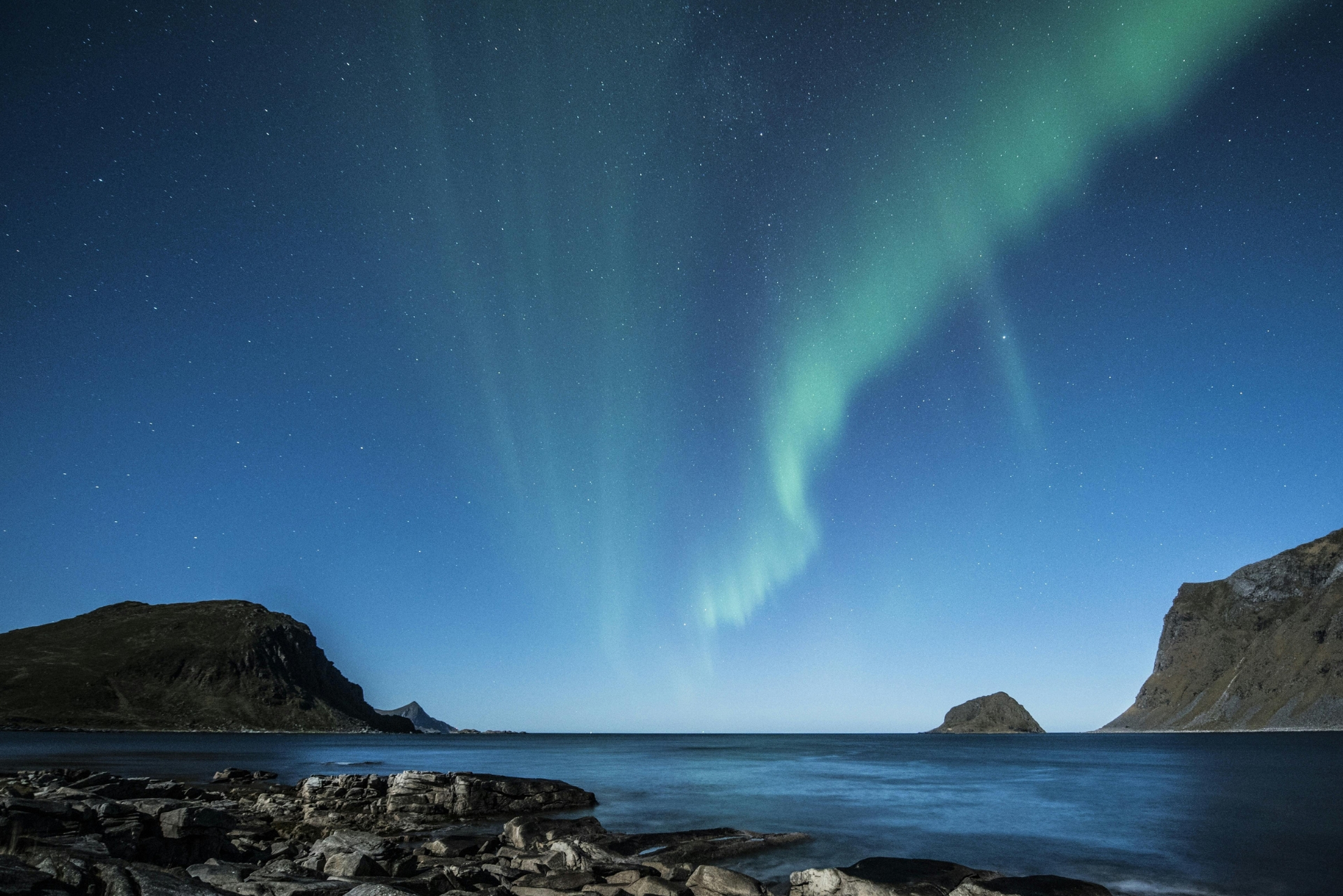 Even if you’re in the right location, seeing the aurora borealis depends on several key factors:
- Check the Aurora Forecast: Websites like NOAA’s Space Weather Prediction Center or apps like My Aurora Forecast give real-time updates.
- Get Away from Light Pollution: The farther you are from city lights, the better your chances.
- Choose a Clear Night: Clouds and fog can completely obscure the aurora.
- Look North: The aurora usually appears in the northern sky, so find an open area facing that direction.
- Be Patient: Auroras can appear and disappear quickly—sometimes they’re only visible for 10 minutes.
When Are the Northern Lights Most Active?
Aurora activity tends to peak during the equinox months of March and September, due to geomagnetic conditions.
However, any time between late August and early April can provide opportunities, especially during solar maximum periods, which occur roughly every 11 years. As of 2025, we are currently near a solar maximum, which increases your chances of seeing strong aurora displays even in states farther south.
Start Your Aurora Hunt in the US
If you’ve ever dreamed of witnessing the northern lights, you don’t have to leave the country to make it happen. From the vast wilderness of Alaska to the quiet shores of Lake Superior, the United States offers several ideal locations to catch this magical display.
Now that you know where to see the northern lights in the US, plan your trip, check the forecasts, and prepare for an unforgettable night under the stars.
You might also be interested in following articles: